
 English
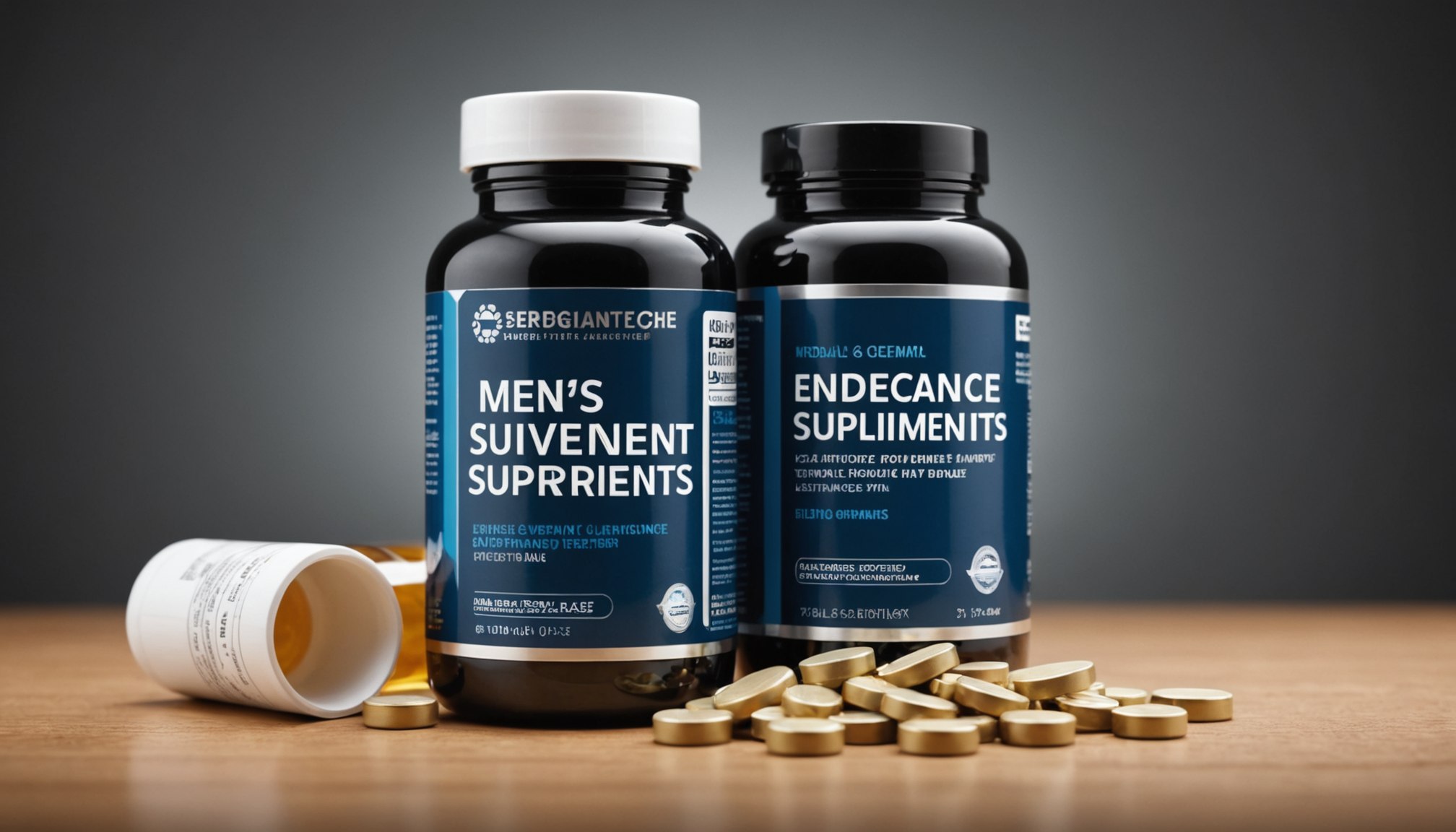
Men’s sexual health supplements
Disclaimer: This content is for educational purposes only and is not a substitute for professional medical advice, diagnosis, or treatment. Always consult a qualified healthcare provider regarding symptoms, supplements, or medical conditions.
Basics: what it is
Men’s sexual health supplements are non-prescription products formulated to support aspects of male sexual function, libido, fertility, and hormonal balance. They commonly contain vitamins, minerals, amino acids, and botanical extracts that are thought to influence blood flow, energy metabolism, nitric oxide production, or testosterone regulation.
Unlike prescription medications, supplements are not intended to diagnose or treat disease. Instead, they aim to support normal physiological processes. Popular formulations may include nutrients such as zinc or magnesium, compounds like L-arginine, or herbs traditionally used in men’s health practices. Quality, evidence, and safety can vary significantly between products.
On lifestyle-oriented hubs across our site—such as 1win Brazil insights or Mostbet Russia overview—men’s wellness topics are often discussed alongside stress management, sleep, and physical activity, which all interact closely with sexual health.
Symptoms and signs
Men often explore sexual health supplements when they notice persistent changes such as:
- Reduced libido: A noticeable decline in sexual desire that is not explained by temporary stress or illness.
- Erectile difficulties: Trouble achieving or maintaining an erection sufficient for sexual activity.
- Low energy or stamina: General fatigue that may affect sexual performance or interest.
- Mood changes: Irritability or low mood sometimes associated with hormonal shifts.
- Fertility concerns: Worries about sperm quality or reproductive potential.
These signs can have multiple causes, which is why supplements should never replace proper evaluation.
Similar conditions: how to differentiate
Sexual health concerns may overlap with other medical or psychological conditions. Understanding differences is essential.
| Condition | Key Features | How it differs |
|---|---|---|
| Stress-related dysfunction | Situational, linked to anxiety or fatigue | Often improves with rest, stress reduction |
| Hormonal disorders | Low testosterone, metabolic symptoms | Requires lab testing and medical treatment |
| Cardiovascular disease | Blood flow limitations | Erectile issues may signal heart risk |
| Medication side effects | Onset after starting a drug | Managed by adjusting prescriptions |
Diagnosis
When sexual health issues persist, clinicians typically evaluate:
- Medical history and lifestyle factors (sleep, alcohol, smoking)
- Medication and supplement use
- Physical examination
- Blood tests (testosterone, glucose, lipids)
- Psychological well-being
This assessment helps determine whether supplements may be appropriate as supportive measures or whether targeted medical treatment is needed.
What usually helps
Evidence-based approaches to supporting men’s sexual health often include:
- Healthy lifestyle: Regular exercise, balanced nutrition, and sufficient sleep.
- Addressing deficiencies: Correcting low levels of key nutrients under medical guidance.
- Stress management: Mindfulness, counseling, or behavioral strategies.
- Supplements: Selected products with transparent labeling and third-party testing.
- Medical care: Prescription therapies when clinically indicated.
Educational sections on platforms like 1xbet india guide and Pin UP Online Casino wellness hub often emphasize balance between supplementation, lifestyle, and professional care.
What does “clinically studied” mean for supplements?
It usually indicates that individual ingredients—not necessarily the final product—have been evaluated in human studies. Quality and relevance vary.
Herbal extracts vs. isolated nutrients
Herbs contain multiple active compounds, which may act synergistically, while isolated nutrients provide precise dosing but narrower effects.
Limitations of over-the-counter products
Supplements cannot replace prescription therapies for diagnosed conditions such as hypogonadism or vascular disease.
Potential interactions
Some supplements may interact with blood pressure medications, antidepressants, or nitrates.
Quality control issues
Independent testing has found variability in ingredient amounts across brands, underscoring the importance of reputable manufacturers.
Long-term use considerations
Data on prolonged daily use are limited; periodic reassessment with a clinician is advised.
FAQ
Are men’s sexual health supplements safe?
Safety depends on ingredients, dosage, and individual health status. Consultation with a healthcare provider is recommended.
Do supplements increase testosterone?
Some may support normal levels in deficient individuals, but they do not replicate prescription hormone therapy.
How long before results are noticed?
If benefits occur, they are usually gradual over weeks, not immediate.
Can supplements replace prescription ED medication?
No. They may offer mild support but are not substitutes for clinically approved treatments.
Are online products trustworthy?
Quality varies widely; look for third-party testing and transparent labeling.
Should younger men use these supplements?
In younger men, lifestyle and stress factors are more common causes of symptoms; supplements may not be necessary.
Do they improve fertility?
Certain nutrients support sperm health, but fertility issues require medical evaluation.
Sources
- U.S. National Institutes of Health (NIH) – Office of Dietary Supplements
- World Health Organization (WHO) – Sexual and Reproductive Health
- American Urological Association (AUA) Guidelines
- European Association of Urology (EAU)
- U.S. Food and Drug Administration (FDA) – Dietary Supplement Information